


The Impact of Increasing Consumerism on Mental Health: A Modern Challenge
Deep Thinking | 970 Visits


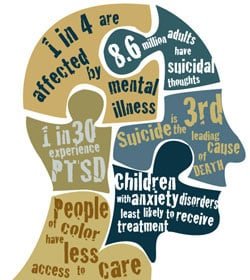
In the age of consumerism, our society is bombarded with messages that urge us to buy, possess, and accumulate material possessions. This escalating culture of consumerism has profound implications not only for our wallets and the environment but also for our mental health. The relentless pursuit of material goods and the pressure to conform to societal expectations often lead to stress, anxiety, and dissatisfaction. Let's explore the detrimental effects of increasing consumerism on our mental well-being and highlight the importance of cultivating a healthier relationship with materialism.
Consumerism and the Pursuit of Happiness
Consumerism is deeply intertwined with the idea that happiness can be achieved through the acquisition of material possessions. Advertisements, social media, and peer influences relentlessly promote the notion that our worth is tied to what we own, which can create a never-ending cycle of desire and discontentment. As a result, individuals often find themselves constantly seeking validation through their material possessions, leading to a sense of emptiness when the initial excitement wears off.
Negative Impact on Self-Esteem
The culture of consumerism can have a detrimental impact on self-esteem. People are bombarded with images of idealized lifestyles and unattainable standards of beauty, which can lead to feelings of inadequacy and self-doubt. The pressure to fit in and keep up with the latest trends can be overwhelming, causing individuals to feel judged or excluded if they do not possess certain products or brands. Consequently, self-esteem becomes closely tied to material possessions, making it fragile and dependent on external validation.
Financial Stress and Anxiety
The consumerist culture promotes the idea that happiness lies in acquiring more, leading many individuals to overspend and accumulate debt. The constant pursuit of material goods often comes at the expense of financial well-being, contributing to heightened stress and anxiety. Financial worries can strain relationships, cause sleep disturbances, and even lead to serious mental health conditions such as depression. The fear of missing out (FOMO) on the latest products or experiences can create a constant sense of pressure, exacerbating financial stress and negatively impacting mental well-being.
Environmental Concerns
Consumerism also has a significant environmental impact, which can further affect our mental health. The production, consumption, and disposal of goods contribute to environmental degradation, climate change, and resource depletion. Increasing awareness of these issues can lead to eco-anxiety or eco-guilt, as individuals grapple with the ethical implications of their consumption patterns. The weight of responsibility can add to existing mental health challenges and create a sense of helplessness in the face of global environmental crises.
Cultivating a Healthy Relationship with Materialism
Recognizing the negative impact of consumerism on mental health is the first step toward cultivating a healthier relationship with materialism. Here are some strategies to consider:
1. Mindful Consumption: Practice mindful consumption by carefully evaluating your needs versus wants. Consider the long-term consequences of your purchasing decisions and focus on experiences rather than possessions.
2. Detox from Media: Limit exposure to advertising and media that promote materialistic ideals. Unfollow accounts that trigger feelings of inadequacy and instead follow those that promote positive values and self-acceptance.
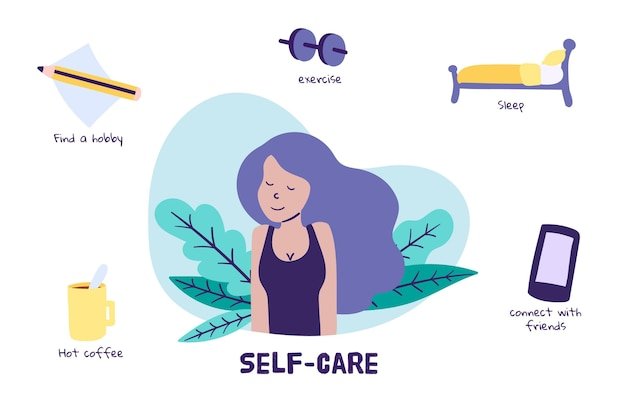
3. Prioritize Well-being: Focus on activities that nurture your mental and emotional well-being, such as practicing gratitude, engaging in hobbies, connecting with loved ones, and prioritizing self-care.
4. Practice Minimalism: Embrace minimalism by decluttering your living space and adopting a less-is-more mindset. Shift your focus from accumulating possessions to cherishing meaningful experiences and relationships.
5. Seek Support: If consumerism-related issues significantly impact your mental health, consider seeking professional help. In such scenarios, Glexpace can help you with their therapists and counsellors. They can provide guidance and support in navigating the challenges associated with consumerism.
.
The increasing consumerism culture poses a significant challenge to our mental well-being. The relentless pursuit of material possessions, pressure to conform, financial stress, and environmental concerns all contribute to negative impacts on our mental health. However, with organizations like Glexpace leading the way, there is hope for change. By providing comprehensive mental health services, raising awareness, promoting collaboration, and advocating for policy reforms, Glexpace is committed to healing the scars. Together, we can create a nurturing environment that prioritizes the mental well-being of every citizen, paving the way for a brighter and healthier future.
Thanks for reading!
If you enjoyed please leave a like, join discussion in the comments and share it
with your friends!

Pratyusha941760's Recent Articles